
By admin

20 Jul, 2026
By admin
20 Jul, 2026
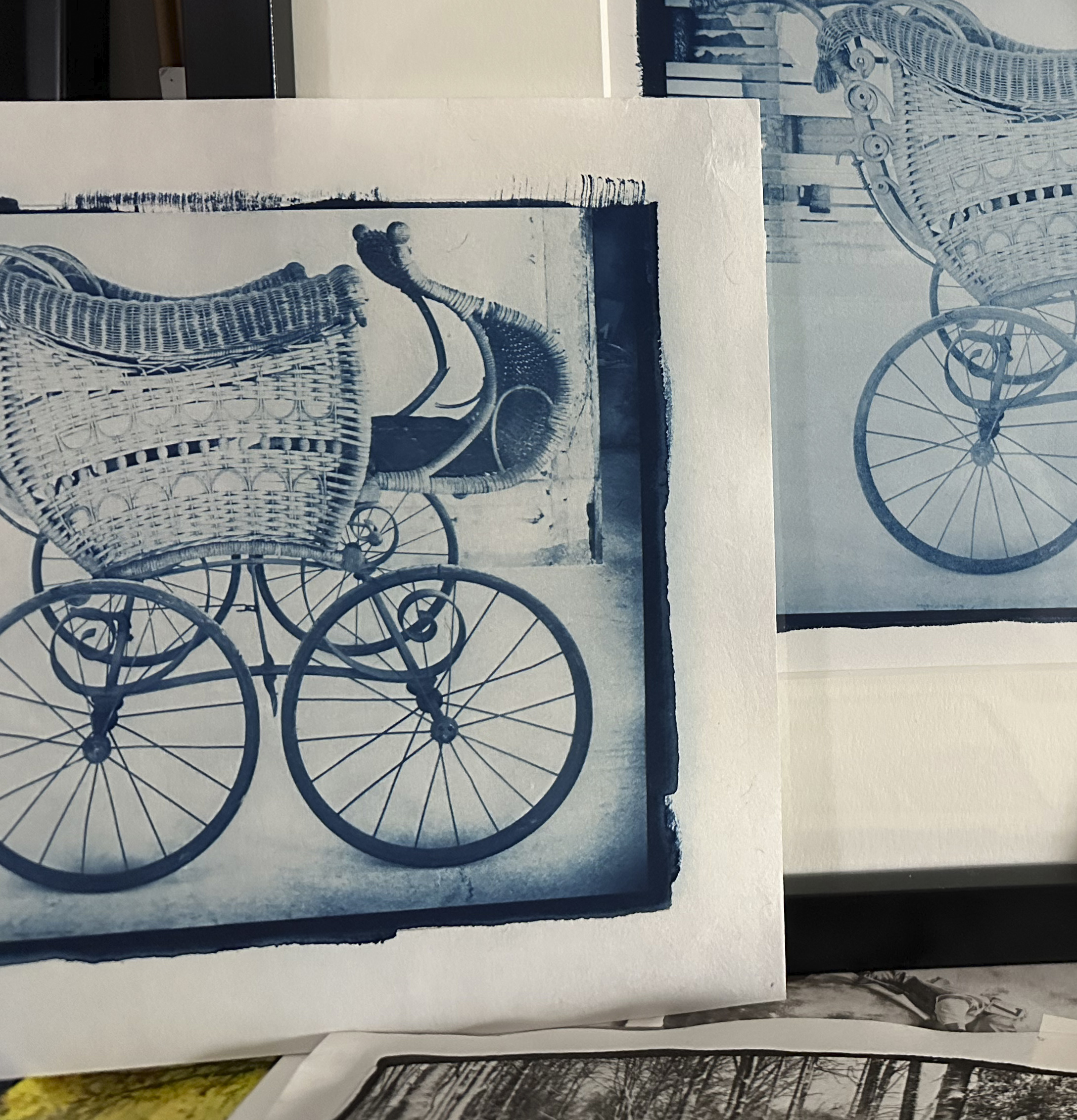
In the alternative printing world, few topics inspire more spirited discussion than paper selection. At first, I used only one paper. Later, I switched to a more pliable paper for making books, and eventually to a stronger, warmer-toned paper. I never expected that I would soon own three different papers and become a participant in those lively conversations.
This exploration has deepened my appreciation for paper performance. Many papers can be printed on either side, but the results are often noticeably different. My favorite, Hahnemühle Platinum Rag (HPR), is a perfect example. The smooth side has a subtle pearlescent appearance, while the reverse side is rougher with a more matte finish. I’ve learned to tell them apart simply by the texture beneath my fingertips. My other two papers each have their own distinctive feel as well.
Many printers have written about these differences, but, as with most things in alternative printing, I had to discover them for myself. Early on, I decided to hand-cut every sheet to a single print size. That consistency has helped me refine my vision. Each sheet is then flattened, carefully inspected, and scribed. This process not only prepares the paper for printing but also makes blemishes easier to spot, allowing me to reserve imperfect sheets for lower-priority images. It was another valuable lesson learned.
The differences between the front and back of a sheet are subtle compared with the dramatic differences between paper types. COT 320 is a softer, more intimate paper. It is thin enough to work beautifully for handmade books, yet thick enough that the image on the following page does not show through. Its lower Dmax—the range from the lightest highlights to the darkest blacks—produces prints with a gentler, more delicate appearance.
My third paper is handmade from fibers of a ginger plant in Okinawa, Japan. It combines the smooth surface of European papers with the strength and character of traditional Japanese washi. I love the qualities of both papers—and, truthfully, I love all three. Each has its own personality, and each encourages me to see my photographs in a slightly different way.

By admin

20 Jul, 2026
Houses of worship are revered around the world, and I have found them to be...
By admin
20 Jul, 2026
Waterways are wonderful places to study humanity. They provide transportation, drinking water, food, and irrigation...
 admin
July 20, 2026
admin
July 20, 2026 Houses of worship are revered around the world, and I have found them to be home to some of the finest artistry and craftsmanship ever created. Whenever I visit a new city, they are often among my first photographic destinations. In Tucson, Arizona, the San Xavier Mission is one of those remarkable places. Its magnificent […]
 admin
July 20, 2026
admin
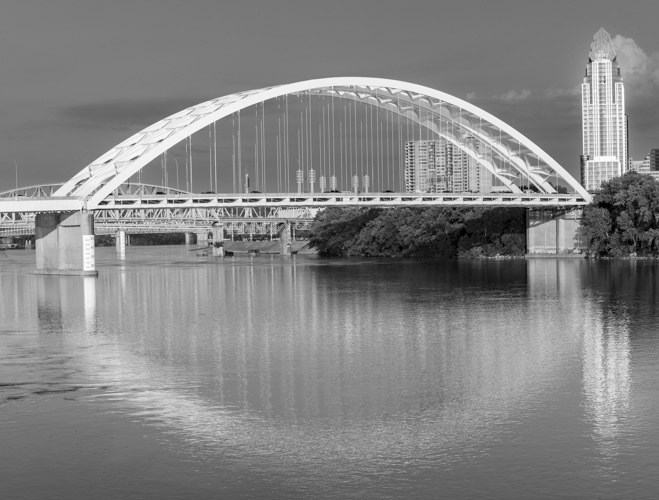
July 20, 2026 Waterways are wonderful places to study humanity. They provide transportation, drinking water, food, and irrigation for our crops. We have also learned to use them to carry away our waste. By building boats of different sizes, we transport people and goods efficiently. Historically, many of our major cities grew along rivers. Pittsburgh, Cincinnati, and Louisville […]
 admin
July 20, 2026
admin
July 20, 2026 An older photograph with my friend Bethany. Los Lunas, New Mexico, is a small town with an abundance of Southwestern charm. Once primarily a farming village, life there moves a little slower. This is where Bethany lived.She has always been a world traveler who seems to make good friends wherever she goes. Along the way, […]